
7 Barriers to Active Listening and Fixes
Seven barriers to active listening—distractions, overload, solution bias, emotional triggers, assumptions, language gaps and fatigue—and practical workplace fixes.
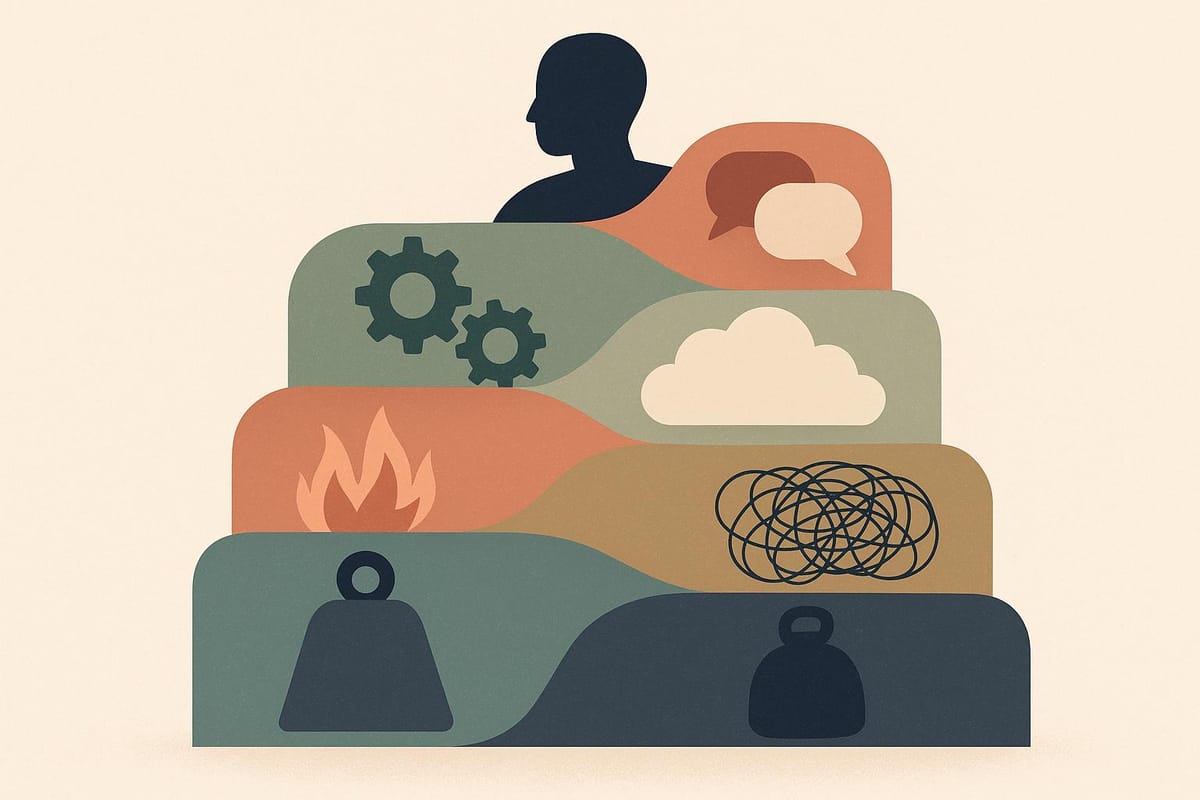
Active listening is a powerful communication skill that goes beyond just hearing words. It involves fully focusing on the speaker, understanding their message, and responding thoughtfully. However, several barriers can get in the way, especially in fast-paced workplaces or hybrid setups. These include distractions, mental overload, jumping to solutions, emotional reactions, biases, language differences, and physical discomfort. Recognising and addressing these challenges can improve communication, build trust, and reduce misunderstandings.
Key Barriers and Fixes:
- External Distractions: Noise, poor acoustics, and hybrid meeting tech issues.
Fix: Choose quiet spaces, improve tech quality, and set ground rules for focus. - Internal Distractions: Mental overload and multitasking.
Fix: Schedule breaks, prepare ahead, and use reflective listening techniques. - Solution Bias: Jumping to advice instead of understanding.
Fix: Ask open-ended questions and summarise before responding. - Emotional Triggers: Defensive reactions during tough conversations.
Fix: Pause, breathe, and focus on clarifying questions. - Cognitive Biases: Prejudging based on assumptions.
Fix: Reflect on biases, summarise points, and ensure everyone is heard. - Language and Style Gaps: Challenges with accents, jargon, or communication styles.
Fix: Use clear language, avoid idioms, and encourage clarification. - Physical Factors: Fatigue, poor seating, or uncomfortable environments.
Fix: Adjust room setups, take breaks, and improve meeting conditions.
Small changes, like silencing your phone, scheduling breaks, or summarising conversations, can make a big difference. By addressing these barriers, you can create better connections and improve workplace communication.
Barrier 1: External Distractions and Environmental Noise
How External Distractions Affect Listening
Noise doesn’t just disrupt - it forces your brain to work overtime. When you’re straining to hear words, there’s less mental bandwidth left to pick up on non-verbal cues like tone or body language.
Take open-plan offices, a staple in many UK workplaces. They’re a hub of activity - ringing phones, side conversations, the hum of printers - all of which can drown out important dialogue. In high-pressure environments like NHS wards, competing sounds can even obscure critical signals, making it harder to process what’s being said.
Poor acoustics only make things worse. Rooms with hard, echo-prone surfaces degrade sound quality, meaning you have to work harder to follow the conversation. This extra effort drains your mental resources, leaving you less attuned to subtle shifts in tone or pace - cues that might signal discomfort or disagreement. Over time, this can lead to surface-level listening, where you catch the gist but miss the deeper emotional undercurrents. This kind of listening risks eroding trust and connection, especially in leadership settings.
It’s not just noise that’s the issue. Distractions like uncomfortable room temperatures, dim lighting, or awkward seating can pull your focus away, making it harder to engage fully.
Hybrid meetings bring their own set of challenges. Poor audio and video setups - muffled sound, shaky connections, or awkward camera angles - can obscure facial expressions and emotional cues. These technical hiccups disrupt the natural flow of conversation, sometimes forcing leaders into a more one-sided, “broadcast” style of communication. For example, a UK civil service team working in a large government hub struggled with hybrid stand-ups in glass-walled meeting rooms. Noise from adjacent spaces and passing colleagues meant soft-spoken concerns from remote participants - like delivery risks - often went unheard.
Studies show that noise distracts up to 70% of UK office workers, and hybrid workers face similar struggles with tech issues. In such environments, leaders risk missing subtle but important signals, potentially misinterpreting concerns and disengaging their teams. Tackling these distractions is crucial for deeper, more effective listening.
How to Fix External Distractions
The solution starts before the meeting even begins. Choose quiet, private spaces for key conversations - think closed meeting rooms, focus pods, or designated quiet zones, rather than bustling open-plan areas. Make sure doors and windows shut properly, and test any audio-visual equipment in advance to avoid mid-meeting disruptions. Timing also matters; try scheduling important discussions during quieter office hours, steering clear of lunchtime or late-afternoon peaks.
Simple adjustments to the setup can make a big difference. Arrange seating in circles or smaller groups to boost eye contact and reduce distractions. Position screens at eye level so remote participants feel included, and avoid placing anyone near doors or high-traffic areas where visual interruptions are common.
For hybrid meetings, investing in quality tech - conference microphones, speakers, and cameras - can transform the experience. Start with a quick tech check to ensure remote participants are set up properly. Encourage turn-taking by inviting remote attendees to contribute early, and use tools like chat or hand-raise features to minimise cross-talk. Barclays, for example, introduced “Focus Zones” in their London and Manchester offices in January 2023. By adding soundproof pods and acoustic panels, they cut noise distractions by 32% within six months, with 27% more employees rating their listening and focus abilities as “good” or “excellent.”
Similarly, NHS England launched a hybrid meeting toolkit in September 2022, which included practical tips like using headsets and muting microphones. By March 2023, 68% of managers reported fewer misunderstandings and better listening during virtual and hybrid meetings.
Optimising the physical space also helps. Aim for a comfortable room temperature - around 18–21°C - ensure there’s adequate lighting, and use soft furnishings or acoustic panels to absorb sound. These small tweaks are becoming standard in many UK organisations as they refurbish meeting spaces for better collaboration.
Team norms can further reduce distractions. Encourage everyone to silence phones, close emails, and avoid typing during sensitive conversations. For example, agree that during one-to-ones or performance reviews, phones stay on silent and laptops remain shut unless absolutely necessary. Lead by example - place your phone face down, turn off notifications, and resist checking emails mid-discussion.
If distractions are unavoidable, such as in busy client sites or public sector offices, use quick fixes. Acknowledge the noise and suggest a brief pause to ensure no key points are missed. Adjust your position - move closer to the speaker or turn away from the distraction - and, if possible, relocate to a quieter spot.
For meetings requiring live document access, introduce “no-typing listening windows” during critical moments. To balance the UK’s workplace culture of responsiveness, schedule short admin breaks in longer sessions for participants to check urgent messages. These practices help shift the focus from fragmented attention to intentional, high-quality listening - a crucial skill for navigating high-stakes leadership conversations.
Barrier 2: Internal Distractions and Mental Overload
How Mental Overload Affects Listening
Your brain isn’t built for multitasking. Trying to listen while skimming through emails forces you to switch rapidly between tasks, making it easy to miss key details, emotional undertones, and subtle cues. But the problem goes beyond divided attention. People speak much slower than your brain processes thoughts, leaving a natural gap that often gets filled with unrelated musings - this isn’t a personal shortcoming but a universal challenge for listeners.
For leaders, the stakes are even higher. With back-to-back meetings, constant decision-making, and juggling priorities, the mental toll can be enormous. This cognitive load drains the energy required for truly engaging with others. Add personal or emotional distractions - whether it’s excitement about a new project or anxiety over job concerns - and even if you appear attentive, your mind might be elsewhere. Psychological noise, like an employee worrying about job stability or daydreaming about their weekend plans, can also impair the ability to process feedback effectively. Both heightened excitement and anxiety can interfere with clear thinking.
Physical factors play their part too. Lack of sleep, hunger, or feeling unorganised can make focusing a real struggle. For instance, trying to manage a performance review after just five hours of sleep due to a late-night crisis is a recipe for poor listening. Overload also occurs when too much information is thrown at you at once, leaving your brain unable to keep up. This is when you might find yourself "zoning out" during crucial discussions.
The signs of mental overload often creep in quietly. Maybe you’re crafting a response before the other person has even finished speaking or suddenly realise you’ve lost track of the conversation. These moments signal that your mental bandwidth is stretched too thin. Recognising these challenges is the first step towards reclaiming your focus.
How to Manage Internal Distractions
Once you’re aware of these mental hurdles, you can take steps to address them. For leaders, where active listening is a cornerstone of effective communication, managing internal distractions is essential.
Start by revisiting your schedule. Build in short gaps - just 10 to 15 minutes between meetings - to let your mind reset and absorb what’s been discussed. For high-stakes conversations like performance reviews, consider allowing longer buffers before and after to prepare and reflect.
Timing matters too. Plan critical discussions for when you’re most alert, often earlier in the day, rather than after a marathon of meetings. Simple mental resets, like a quick walk, a few deep breaths, or even a moment of silence, can help you shake off the residue of earlier tasks and refocus.
Preparation is another key tool. Reviewing relevant materials, clarifying your goals, and organising your thoughts ahead of time can reduce stress and free up mental space. During conversations, eliminate distractions - turn off notifications, close unnecessary tabs, and put your phone out of sight. Despite the myth of multitasking, trying to juggle tasks significantly weakens your ability to listen effectively.
Reflective listening techniques can also help keep internal distractions in check. Summarising what you’ve heard before responding ensures you fully understand the message and breaks the habit of jumping to conclusions too early. This pause also gives you a moment to process emotional reactions, leading to more thoughtful and constructive exchanges.
Don’t underestimate the role of basic needs. Proper sleep and regular meals have a direct impact on your ability to focus and listen. If you’re too tired or hungry before a big conversation, it’s often wiser to reschedule than risk a half-hearted discussion.
Self-awareness is a powerful ally. After important conversations, take a moment to reflect. Did you interrupt? Were you mentally drafting your response instead of listening? Did you dismiss ideas too quickly? Feedback from trusted colleagues can offer valuable insights into your listening habits. If you notice signs of mental overload - like struggling to concentrate or losing track of the dialogue - pause briefly or steer the discussion towards the most pressing issues.
For longer meetings, structured breaks can be a game changer. Short pauses not only ease the strain of prolonged focus but also allow your brain to recover. Similarly, grouping similar tasks together can reduce the mental effort required to switch between contexts.
Ultimately, managing internal distractions is about acknowledging the limits of your mental capacity. While you can’t eliminate every distraction, creating an environment that reduces interruptions and developing habits to refocus when your mind starts to wander can significantly improve your ability to stay present - even under the intense demands of leadership.
Barrier 3: Personal Agenda and Solution Bias
The Cost of Solution Bias
Picture this: you're in a one-to-one with a team member who’s sharing their workload struggles. Before they've even finished, you've already pieced together a solution in your mind - perhaps redistributing tasks or tweaking deadlines. You interrupt with, "What you need to do is..." The conversation shifts from exploring their perspective to following your instructions. This is a classic example of solution bias - the reflex to jump to fixes and advice instead of taking the time to truly understand the other person’s experience, needs, and context. It’s a common stumbling block for leaders who feel their worth is tied to having immediate answers.
Solution bias tends to manifest in predictable ways. You might find yourself finishing someone’s sentences, proposing a plan before fully hearing them out, or focusing solely on "problems to solve" rather than considering emotions, assumptions, or the broader context. In the UK, this often looks like a manager rushing conversations to "get to the point", steering discussions towards performance metrics or deadlines instead of taking the time to explore what’s really behind a colleague’s concerns about workload or wellbeing.
The issue is compounded by personal agendas. When you’re under pressure to meet targets or push through a preferred strategy, your focus narrows. You start filtering conversations for information that aligns with your goals, sidelining anything that challenges your plans. This can lead to treating every interaction as an opportunity to advise or direct, rather than to understand.
The consequences are far-reaching. By evaluating situations through your own lens instead of considering the full picture, you risk missing subtle but important details. This undermines decision-making and can erode psychological safety. A 2022 survey by the Chartered Institute of Personnel and Development (CIPD) found that 68% of employees felt more motivated when their manager listened to them before offering solutions. Poor listening practices are linked to lower engagement and higher turnover, as employees feel disconnected from their work and leaders. Rushing past exploratory listening can also lead to implementing the wrong solutions, creating unnecessary costs and friction. Over time, this approach fosters a culture where people wait to be told what to do, rather than contributing ideas or collaborating effectively.
In January 2023, Nationwide Building Society launched a leadership communication programme aimed at reducing solution bias. Managers were trained to use open-ended questions and reflective listening during one-to-ones instead of jumping straight to solutions. Over six months, employee engagement scores related to "feeling heard" rose from 62% to 79%, while the percentage of staff reporting that their manager "understands my challenges" increased from 58% to 74%. (Source: Nationwide's 2023 People Strategy update)
Consider the example of a senior manager in an NHS trust. When a nurse raises concerns about burnout, the manager immediately reallocates shifts as a "solution." By failing to address the emotional and systemic issues at play, this quick fix exacerbates attrition on the ward. The leader’s agenda overrides curiosity, leading to poorer outcomes than if they had taken the time to understand the root causes. Research from Harvard Business Review shows that leaders typically spend only 40% of their conversational time listening, with the rest spent preparing advice or planning their next move. While solution bias may seem efficient, it often leads to misdiagnosed issues and poorly aligned actions, slowing progress instead of speeding it up.
How to Fix Solution Bias with Questions
Given the potential costs, shifting from quick fixes to genuine understanding is essential. This starts with a mindset shift: from "my job is to fix" to "my job is to understand first, then decide how to help". This doesn’t mean abandoning your expertise or avoiding decisions; it means improving the quality of thinking before acting. Better listening reduces risks and prevents the need for rework later.
Open-ended questions are a powerful way to slow down and uncover the other person’s perspective. These questions encourage context, emotion, and narrative, rather than simple yes-or-no answers. Here are a few examples:
- Exploratory questions: "Can you walk me through what’s been happening from your perspective?"
- Meaning-focused prompts: "What’s the most important part of this for you right now?"
- Impact-focused questions: "How is this affecting you and the team on a daily basis?"
- Assumption-revealing questions: "What are you assuming here that might need a second look?"
Before responding, pause and ask yourself: are you listening to understand, or are you preparing to reply with your own agenda? Replace phrases like "You should..." or "You need to..." with questions that keep the conversation open. A simple rule of thumb: ask three questions before offering one suggestion.
Reflective listening techniques, such as paraphrasing, can act as "speed bumps" to slow down solution bias. For example, summarising what you’ve heard - "So, it sounds like the main issue for you is..., is that right?" - forces you to process their input before jumping to conclusions. Acknowledging emotions also validates the speaker’s feelings and prevents the impulse to leap into problem-solving: "You seem frustrated and tired; is that accurate?". Before offering advice, check your understanding: "Is there anything I’ve missed before we discuss possible options?". This ensures you’re working from a shared understanding.
In 2022, the NHS Leadership Academy introduced the "Listen First" initiative, aimed at tackling solution bias among clinical and non-clinical leaders. Leaders were trained to ask questions like "What’s the real issue here for you?" before offering solutions. A follow-up survey of 1,200 participants found that 71% reported more productive conversations with staff, while 65% noted improved team morale. (Source: NHS Leadership Academy, "Listen First Evaluation Report", 2022)
Incorporating question-led routines into your daily interactions can help make this approach second nature. For one-to-ones, try a three-step process: start by exploring ("What’s on your mind?"), dig deeper ("What else?" or "What’s the real challenge for you here?"), and only then move to options ("What would good look like from your perspective?"). In team meetings, consider using check-in rounds where everyone shares "What’s top of mind?" while others focus on clarifying questions rather than offering solutions. You could also adopt a traffic-light system for listening: red for questions and reflections only, amber for exploring options, and green for agreeing on actions.
Progress in reducing solution bias becomes evident through behavioural changes - fewer interruptions, more paraphrasing, and more time spent exploring issues before deciding. Feedback from team surveys or engagement data can highlight whether colleagues feel more listened to and involved in shaping solutions. You’ll also see improvements in outcomes, such as fewer instances of rework or solving the wrong problem, and earlier identification of risks or differing viewpoints. A 2021 study by the Centre for Creative Leadership revealed that leaders who prioritise listening and asking questions are rated as more effective by their teams, with engagement scores 20–30% higher than leaders who dominate conversations.
To maintain focus on listening, ask colleagues for feedback: "Do you see me more as a problem-solver or a listener in our recent conversations? What would you like more of?" Tools like Leadership Story Bank can help you integrate these habits into your communication style, enhancing your presence and influence. The goal isn’t to set aside your expertise - it’s to ensure your decisions are grounded in a fuller understanding, not just assumptions shaped by your personal agenda.
Barrier 4: Emotional Triggers and Defensiveness
How Emotional Triggers Affect Listening
Imagine being in a team meeting where a colleague questions your decision. You might feel a tightness in your chest or an overwhelming urge to defend yourself. These physical reactions often signal emotional flooding - a state where intense feelings like anger or anxiety take over, clouding your ability to process what’s being said. In this defensive mode, your brain prioritises self-protection rather than understanding the conversation at hand.
When emotional flooding kicks in, your focus narrows, and you may fixate on perceived threats instead of grasping the broader context. For instance, a manager receiving feedback on their communication style might only latch onto the negative aspects, missing the constructive insights being offered. This defensive reaction can lead to shutting down the discussion or justifying decisions, rather than engaging meaningfully.
The physical toll of emotional flooding adds another layer of difficulty. A racing heart or shallow breathing diverts mental energy away from active listening. Take an employee worried about potential redundancies - they might struggle to concentrate on a restructuring discussion because their mind is consumed by anxiety.
What makes this even more challenging is that outwardly, you might seem engaged, but internally, your thoughts are preoccupied with self-defence. Over time, this disconnect can damage trust and psychological safety within a team. Leaders who react defensively risk missing out on feedback that could improve both their performance and relationships. A 2021 study by the Chartered Institute of Personnel and Development revealed that 62% of employees felt poor listening and defensive reactions from managers discouraged them from raising workplace issues.
Consider two contrasting scenarios. In the first, a director receiving feedback about unrealistic project timelines feels attacked and immediately justifies their decisions, citing budget constraints and stakeholder demands. The team leaves the conversation feeling dismissed. In the second, the same director recognises the defensive urge, pauses, and asks, "Can you explain what makes these timelines feel unrealistic from your perspective?" This simple shift - from defending to understanding - opens the door to a more productive dialogue and a collaborative resolution.
Often, these emotional triggers operate beneath the surface, and you may not realise you’re in defensive mode until communication starts breaking down. Spotting your triggers and recognising the warning signs is a crucial first step in managing emotional reactions and staying objective.
How to Manage Emotional Reactions
To maintain clarity and focus in conversations, managing emotional triggers is essential. This doesn’t mean suppressing your feelings - it’s about recognising them early and choosing a measured response instead of reacting impulsively. Start by reflecting on past situations where you’ve felt defensive. Was it criticism of your expertise, a challenge to your authority, or questions about your decisions? Identifying these patterns can help you prepare for future interactions.
Look out for physical warning signs, such as an urge to interrupt or a sudden rise in tension. Catching these early gives you a chance to pause and reset before emotional flooding takes over.
When you notice these signs, take a moment. A deep breath or a few seconds of silent counting can help shift your mindset from defensiveness to openness. Deep breathing, in particular, works wonders - it calms your nervous system and creates space for active listening.
Instead of reacting defensively, redirect your focus by asking open-ended questions like, "Can you elaborate on that?" or "What impact did this have on you?" These questions not only clarify the speaker’s point but also show that you’re genuinely interested in their perspective. Reflective listening - rephrasing what you’ve heard to confirm your understanding - further grounds you in the conversation and demonstrates attentiveness.
Taking notes during difficult conversations can also be helpful. Jotting down key points keeps your attention on the speaker, provides an outlet for nervous energy, and reduces mental strain.
Preparation plays a big role too. Before entering a high-stakes discussion, think about which topics might trigger a strong reaction. Plan strategies to stay open and receptive, and ensure you’re physically ready - being tired or hungry can lower your emotional resilience and make it harder to stay objective.
Barrier 5: Cognitive Biases and Assumptions
How Cognitive Biases Affect Listening
Your brain processes thoughts far quicker than it processes speech, leaving space for assumptions and biases to creep in and distort what you hear.
When a colleague speaks, it’s rare to take in their words without some level of preconception. You might unconsciously filter their input through judgments you’ve already formed about their skills, personality, or even their background. For instance, if you’ve decided a junior team member lacks valuable insights, or you assume someone from a certain background will think in a particular way, you’ve effectively stopped listening before they’ve finished their sentence.
This kind of prejudiced listening often combines judgement and affirmation, meaning you evaluate what’s said solely through the lens of your pre-existing beliefs. These biases don't just affect how well you listen - they influence who gets heard at all. In diverse teams, such tendencies can lead to unequal opportunities to speak, amplifying some voices while sidelining others.
Take this example: a leader who favours evaluative listening might dismiss a junior colleague’s innovative idea, not because it lacks merit, but because it doesn’t align with their preconceived notions of what works.
A 2020 Harvard Business Review study revealed that in diverse teams, members from underrepresented groups were interrupted 2.3 times more often and had their ideas ignored 38% more frequently than their majority-group counterparts.
When people feel their contributions go unheard, they’re less likely to engage. This erodes psychological safety and silences viewpoints that could otherwise spark creative solutions or drive progress.
Picture a strategy meeting led by a director with a diverse team. When a senior consultant speaks, the director leans in, maintains eye contact, and asks probing questions. But when a junior analyst from a different background raises a concern, the director’s attention wanes, unconsciously signalling that their input carries less weight. Biases like these, whether based on seniority or background, stifle ideas and undermine trust.
In June 2022, Standard Chartered launched a "listening equity" initiative in leadership meetings. According to their Inclusive Leadership Report (2022), introducing structured round-robin speaking and rotating facilitators boosted perceived inclusion among junior and non-UK-based staff by 32%, while reducing instances of overlooked ideas by 27%.
This highlights how addressing biased listening can reshape team dynamics for the better.
The tricky part? These biases often operate beneath the surface. You might think you’re being objective, but your brain is busy filtering information based on assumptions about someone’s competence, credibility, or relevance - often tied to factors like age, accent, or job title. Research shows that people retain just 25–50% of what’s said in a conversation, and biases heavily influence which details stick or get dismissed.
How to Interrupt Bias in Conversations
Recognising how bias seeps into listening is only the first step. To counteract it, you need to make deliberate, mindful changes to how you approach conversations.
Start by reflecting on your listening habits. Who do you naturally pay more attention to? Are you more inclined to value input from those who share your background, rank, or style of communication? Do quieter or less senior team members get overlooked? These patterns often go unnoticed until you actively examine them.
Here are some techniques to counter bias in conversations:
- Summarise and clarify: Reflect back on what the speaker has said - for example, “So you’re concerned about the timeline due to resource issues; is that correct?” This not only ensures you’ve understood correctly but also helps challenge any snap judgments you might have made.
- Ask for more detail: A simple, “Can you explain your thinking?” shows genuine interest and encourages deeper discussion.
- Take notes: Writing down key points helps you focus on the content rather than letting assumptions cloud your understanding.
Structural changes in meetings can also help level the playing field:
- Rotate speaking roles to ensure everyone has a chance to contribute.
- Collect written input before discussions to give quieter team members, or those from different backgrounds, a chance to express their ideas without the pressure of speaking on the spot.
- Assign a “bias checker” in meetings - someone tasked with ensuring all perspectives are fairly considered.
Non-verbal communication matters too. Positive body language, like maintaining eye contact or nodding, signals engagement, while dismissive gestures can unintentionally discourage further input.
Here’s a practical exercise: after your next conversation, take a moment to compare what was actually said with what you initially thought was communicated. In your next meeting, summarise a colleague’s point and check if your understanding aligns with their intent. Finally, identify one assumption you often make about a team member based on their role or background, and make a conscious effort to challenge it in your next interaction.
These small but intentional steps can help you move past biases and truly listen.
Barrier 6: Language, Culture, and Communication Style Gaps
The Challenge of Language and Style Gaps
In the UK, where 18% of the working-age population was born abroad, workplaces are a melting pot of languages and communication styles. This diversity adds richness but also creates challenges. Listening to someone with an unfamiliar accent or speaking pace requires extra mental effort, which can reduce your ability to grasp meaning, detect emotions, or pick up on subtleties - key elements of effective listening.
Add jargon and idioms to the mix, and the problem deepens. Common British expressions like "crack on", "move the goalposts", or "in the dock" can feel like a secret code to those unfamiliar with them. When these phrases are used without explanation, colleagues from different backgrounds might avoid asking for clarification to avoid looking uninformed. This silence can lead to misinterpretations, mistakes, or missed deadlines.
Cultural differences in communication styles also play a role. For instance, in some cultures, overlapping speech shows enthusiasm, but in the UK, it’s often seen as interruptive. A reflective pause, valued in certain contexts, might be misread as confusion in a fast-paced meeting.
Feedback presents another challenge. What feels like clear, direct criticism in one culture can come across as harsh or personal in another. This misalignment can trigger defensiveness, making it harder to listen effectively.
Research on diversity and inclusion in UK workplaces highlights how these language and communication style gaps frequently cause friction, particularly in team meetings and performance reviews. Imagine a project meeting where a manager speaks quickly, using unexplained acronyms. Non-native speakers might struggle to follow along, while cultural differences in turn-taking could lead to misunderstandings about engagement. The result? The core message gets lost.
Video calls add another layer of complexity. Tone, body language, and turn-taking are harder to interpret, and technical issues like poor audio or unfamiliar accents can overwhelm listeners. Studies show that when native English speakers slow down, simplify their language, and avoid idioms, meetings become clearer and trust improves.
Judgements about language proficiency can also discourage people from asking for clarification. Silence in these situations doesn’t always mean understanding - it can signal an invisible barrier to listening. These challenges set the stage for practical adjustments to improve communication.
How to Bridge Language and Culture Barriers
Addressing these gaps isn’t about erasing differences but creating shared norms that allow everyone to communicate effectively.
Start by using plain English. Swap out jargon and acronyms for everyday words, and when technical terms are unavoidable, provide a brief explanation. Avoid or explain British idioms that might confuse non-native speakers. A simple glossary of frequently used terms can help everyone stay aligned.
Speak more slowly and structure your points clearly. This gives listeners time to process information and follow along, especially in mixed-language groups. Use phrases like "first", "second", and "finally" to guide your message, and pause after key points to give others a chance to ask questions.
Ask open-ended questions to confirm understanding. For example, "What’s your main takeaway?" encourages others to share their thoughts. Paraphrasing what you’ve heard - "So you’re saying… Is that correct?" - shows respect for their message and ensures clarity.
Normalise asking for clarification by modelling it yourself. Simple phrases like "Could you repeat that more slowly?" create an environment where seeking clarity feels safe. This is especially helpful for new team members and non-native speakers, reducing hesitation and fostering open communication.
For cross-cultural meetings, structure is crucial. A meeting chair can manage turn-taking by inviting specific people to speak, summarising discussions, and moving on. Sharing agendas and key documents in advance allows those who process English more slowly to prepare, easing the pressure of real-time discussions. During the meeting, actively encourage quieter participants to share their thoughts and rotate speaking opportunities to balance communication styles.
After meetings, summarise decisions in straightforward language and document them promptly. This ensures everyone has a consistent understanding of what was discussed. In hybrid meetings, encourage the use of cameras when possible and utilise chat functions for clarifying questions - this provides additional ways to ensure understanding.
Be aware of biases around accents and communication styles. Avoid favouring certain accents, such as "standard" Southern English, and focus on the content of what’s being said. Allow speakers the time they need to finish their thoughts without interruption.
Openly discuss communication norms within your team. Agree on guidelines for when interruptions are acceptable, how long to pause after someone speaks, and how to signal a desire to contribute. These shared norms can turn differences into strengths rather than barriers.
Watch for signs that language and cultural gaps are affecting communication. These might include repeated mistakes due to miscommunication, recurring questions across multiple meetings, silence from certain team members, or visible frustration during discussions. Anonymous surveys can also help identify issues with communication clarity or confidence in speaking up. When such signs appear, brief team debriefs focused on communication can help adjust meeting practices.
Barrier 7: Physical Factors and Fatigue
How Physical Factors Affect Listening
Physical discomfort - whether from exhaustion, poor seating, bad lighting, or uncomfortable room temperatures - can significantly hinder active listening. These physical barriers can disrupt the focus needed for effective communication and leadership.
When you're fatigued, your brain struggles to filter out distractions, your attention span shrinks, and your working memory weakens. This can result in missed information and repeated questions. Leaders facing back-to-back meetings or insufficient rest often find themselves becoming impatient, interrupting more frequently, or making rushed decisions.
Environmental factors like room temperature, lighting, or acoustics also play a role. A room that's too warm or too cold can make participants drowsy or uncomfortable. Poor lighting - whether overly dim or glaringly bright - can strain the eyes, while bad acoustics, such as echoes or background noise (common in modern UK offices with glass walls), can make it harder to hear and process what’s being said.
Room layout matters too. Fixed seating, long distances between participants, or obstructed views can make it difficult to pick up on non-verbal cues, reducing overall engagement. Other physical discomforts, like sitting for too long, uncomfortable chairs, hunger, or dehydration, can also pull focus away from the conversation. Even hearing difficulties can lead to repeated requests for clarification or delayed responses, which might be misinterpreted as disengagement if these needs aren't acknowledged.
When these physical factors combine - such as fatigue and poor room conditions - they can severely impact listening. Watch for signs like frequent requests for repetition, visible restlessness, comments about the room being uncomfortable, slouched posture, or energy dips during long meetings. These aren’t necessarily signs of disinterest but rather indicators of environmental challenges that need addressing. Recognising these issues highlights the importance of thoughtful meeting design and proactive adjustments.
How to Improve Physical Conditions for Listening
Addressing these challenges doesn’t require drastic changes - small, thoughtful adjustments can make a big difference.
- Timing Matters: Schedule important discussions when energy levels are highest. Keep meetings to 45–50 minutes with short breaks in between, and for longer sessions, include a 5–10 minute pause. Sharing clear agendas in advance helps participants stay focused, while shorter, more frequent meetings can be more effective than lengthy, infrequent ones. For casual one-to-one discussions, consider walking meetings to combat fatigue from prolonged sitting.
- Room Setup: Arrange seating in a circle or horseshoe to improve sightlines and reduce distance between participants. Keep the room temperature comfortable - around 19–21°C - and ensure proper ventilation by opening windows or using well-ventilated spaces. Minimise distractions by closing doors or choosing quieter locations. For larger rooms, use microphones to ensure everyone can hear clearly, especially those with hearing challenges. Balanced lighting - bright enough to stay alert but not harsh - can also help maintain focus.
- Virtual Meetings: For online discussions, headphones can reduce audio strain, and live captions help with clarity. Encourage participants to mute when not speaking and maintain good lighting. Allowing camera breaks during less critical moments can reduce screen fatigue, while keeping cameras on for key discussions supports better engagement.
- Inclusive Communication: Simple habits like facing the group when speaking, projecting your voice, and avoiding side conversations can make a big difference. Pausing occasionally to check for understanding and providing concise written summaries can help everyone stay on the same page. If someone seems to be struggling, normalise requests for clarification by saying things like, "Could you repeat that more slowly?" to create a safe and supportive environment.
Pay attention to the overall energy in the room. Signs of discomfort or fatigue - such as fidgeting or repeated requests for clarification - may signal the need for a quick intervention. A short break, opening a window, or rearranging the room can quickly improve the atmosphere. For hybrid work setups, plan high-focus tasks during times when fatigue is less likely, avoiding late-day calls or meetings after long commutes.
Leaders who are mindful of their own physical limits and model practical approaches - such as scheduling breaks or adjusting meeting formats - set a positive example for their teams. Resources like Leadership Story Bank provide valuable insights for reflecting on past challenges and building strategies to ensure leaders remain fully present. By prioritising active listening, leaders can help create UK workplaces where engagement thrives.
Active Listening Skills
Conclusion
Active listening isn't just a skill; it's a discipline that grows with practice. In UK workplaces, the typical barriers - distractions, mental overload, solution bias, emotional triggers, cognitive blind spots, language differences, and environmental factors - are all too familiar. Whether you're in a noisy open-plan office, juggling back-to-back video calls, or rushing through one-to-one meetings, these challenges can undermine your ability to truly listen.
Creating space to listen fully is where stronger relationships and better leadership begin. For example, when a line manager resists the urge to jump in with solutions, they often uncover deeper issues, fostering trust and a sense of ownership within their team.
Improving your listening starts with self-awareness. It means recognising your habits - like interrupting, mentally preparing your response while someone else is talking, or dismissing ideas that don't align with your own - and making a conscious effort to change them. Without this honest self-reflection, even the most effective techniques will remain theoretical rather than practical.
When leaders manage distractions, set aside solution bias, and create an environment of psychological safety, employees feel genuinely heard. This leads to greater engagement, more effective teamwork, and fewer misunderstandings. On the flip side, ignoring these barriers often results in mistakes, rework, and disengaged teams.
Next time you're in a conversation, try removing just one barrier. Choose a quiet space, silence your phone, or take a moment to pause before speaking. You might also ask a trusted colleague for feedback on your listening habits or practise summarising what you've heard before responding. These small steps can make a big difference.
Treat every meeting as an opportunity to improve. Afterward, reflect on which barriers cropped up and think about what you could do differently next time. Simple tweaks - like pausing before you speak, catching yourself when your mind wanders, or setting aside your own agenda - can gradually sharpen your listening skills.
For professionals in hybrid or multicultural teams, tools like Leadership Story Bank offer valuable support. By working with personal stories and real-life leadership scenarios, you can become more aware of how your communication lands with others and learn to tailor your approach to different audiences. Whether you're managing a small team in Manchester or collaborating with global partners from London, these insights can help you adapt and connect more effectively.
Active listening takes time and effort, but the rewards are clear. By consistently addressing barriers and refining your approach, you won't just hear better - you'll lead better, fostering UK workplaces where trust and engagement flourish.
FAQs
How can I reduce mental overload to become a better active listener?
To ease mental strain and sharpen your active listening, begin by cutting out distractions. Silence your phone notifications, organise your workspace, or move away from noisy areas. Stay in the moment by trying deep breathing or quick meditation exercises before starting a conversation - this can help you focus and stay tuned in.
When faced with complex information, tackle it in smaller, digestible chunks. If it feels like too much, it’s perfectly fine to ask for clarification or request a short pause to gather your thoughts. These simple actions can keep you engaged and ensure you fully grasp what’s being shared.
How can I overcome language and communication style differences in a diverse workplace?
Bridging differences in language and communication styles takes a mix of awareness, effort, and a willingness to adjust. Start by truly listening to others and paying attention to the subtle cultural cues that might shape how they communicate. Instead of jumping to conclusions, ask thoughtful questions to clarify and ensure understanding.
Stick to clear, straightforward language to avoid confusion, and tailor your approach to fit the preferences of your audience. For instance, some people may value directness, while others might respond better to a more collaborative tone.
Creating an inclusive space where open conversations are welcomed is key. Show patience and make an effort to understand and respect varying viewpoints. This not only strengthens relationships but also helps break down barriers in a workplace rich with diversity.
How can I identify and overcome cognitive biases to listen more objectively in conversations?
Cognitive biases often influence how we process information and interact with others, sometimes without us even realising it. For example, confirmation bias leads us to favour details that align with what we already believe, while stereotyping involves making assumptions based on oversimplified ideas about groups or individuals.
To counter these tendencies, take a moment to pause before reacting. Reflect on whether your thoughts are grounded in facts or shaped by preconceived ideas. Practising active listening can also make a big difference. This means giving your full attention to the speaker, asking questions to clarify their meaning, and summarising their points to confirm your understanding. With time, these habits can help you engage in conversations with a more open and balanced perspective.